Have you ever been typing an email or a message and paused, wondering, “Is it seak or seek?” You are not alone. This is a common point of confusion for many English writers.
The two words sound identical, which leads to frequent misspellings and online searches from people trying to figure out which one is correct. The confusion usually boils down to one simple fact: one of these words is a workhorse of the English language, and the other is a common mistake.
This article aims to clear up that confusion once and for all. We will explore the seek or seak meaning, dive into why the misspelling happens, and provide you with the professional advice you need to ensure your writing is always accurate.
By the end of this guide, you’ll not only know the difference but also understand the rich history of the correct word and how to use it perfectly in any context. Let’s settle this debate and answer the question: what is the right word to use when you are looking for something?
Seek or Seak means
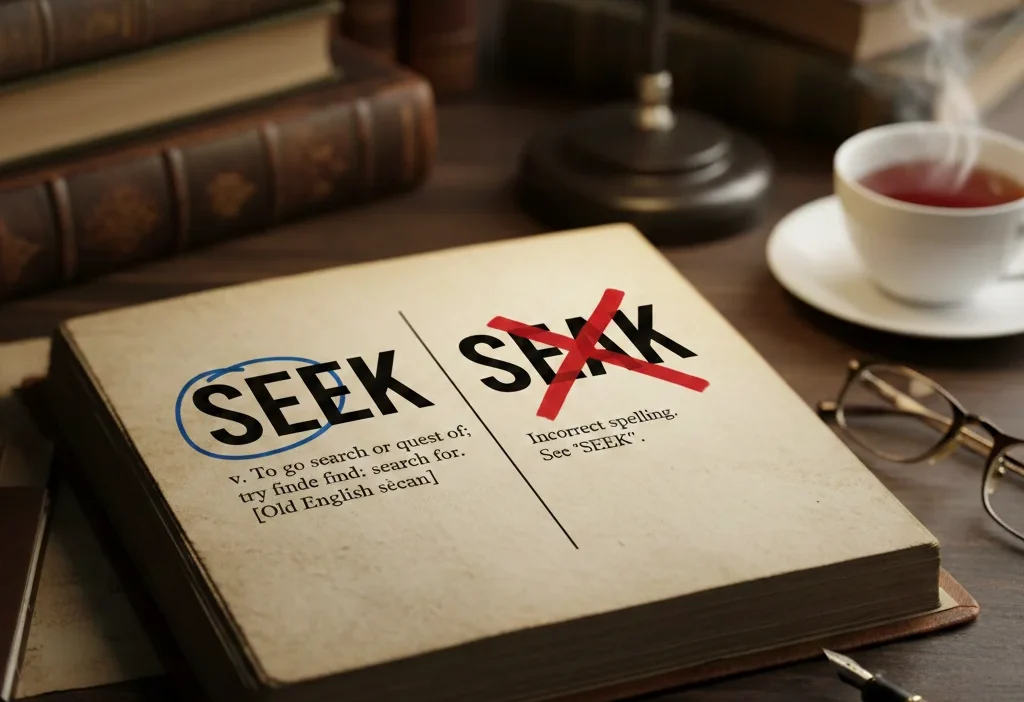
The quick answer is that “seek” is the only correct and recognized spelling in modern English. “Seak” is a common misspelling and is not a standard word in the English language .

- Seek (Correct): This is a verb that means to look for, search for, or try to find or obtain something.
- Example: “I need to seek professional advice.”
- Example: “They decided to seek shelter from the storm.”
- Seak (Incorrect): This spelling has no meaning in contemporary English. If you use it, readers will see it as a typo. So, what does seak mean? In almost all modern contexts, it means nothing, as it is simply an error . If you are asking “what is to seak?”, the answer is that it is a mistake for “to seek.”
The Origin of Seek
To understand why “seek” is the correct spelling, we can look at its long history. The word “seek” comes from the Old English word sēcan (pronounced similarly to “seh-chan”) . Its roots go even deeper into the Germanic language family, making it a cousin to the modern German word suchen (to search) and the Dutch word zoeken .
This historical lineage explains its irregular past tense. Because it’s an old, strong verb, it doesn’t simply add “-ed” to form the past tense. Instead, it changes its spelling entirely. What is the past tense of seek? The past tense of seek is sought (e.g., “Yesterday, I sought help from a librarian.”) . The misspelling “seak” likely appears because people try to spell the word the way it sounds, but the standard English spelling has been fixed for centuries.
British English vs American English Spelling
One of the great things about the word “seek” is that it is consistent across all major forms of English. Unlike words like “colour” (UK) and “color” (US), or “realise” (UK) and “realize” (US), “seek” remains the same.
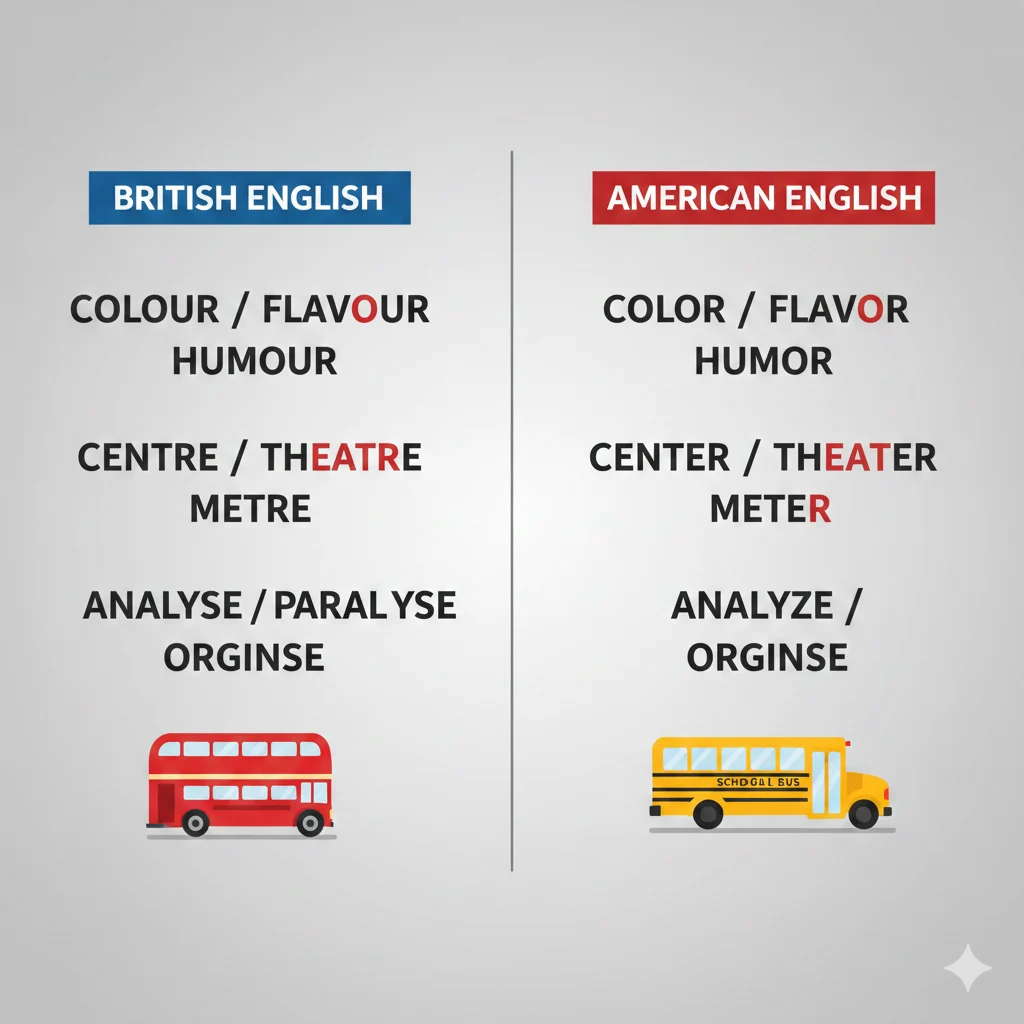
Whether you are writing for a British, American, Australian, or Canadian audience, the correct spelling is always “seek.” There is no regional spelling variation. The confusion between “seek or seak” is purely a matter of correctness, not geography. The word “seak” is incorrect in every dialect of English .
To make this clear, here is a simple comparison table:
| Correct Spelling (Global) | Incorrect Spelling | Example Sentence |
|---|---|---|
| Seek | Seak | You should seek the truth. |
| Sought (Past Tense) | Seeked / Seaked | He sought revenge for the insult. |
| Seeking (Present Participle) | Seaking | She is seeking a new challenge. |
Which Spelling Should You Use?
The rule for choosing the right spelling is straightforward and depends entirely on your audience’s expectations of correct English.
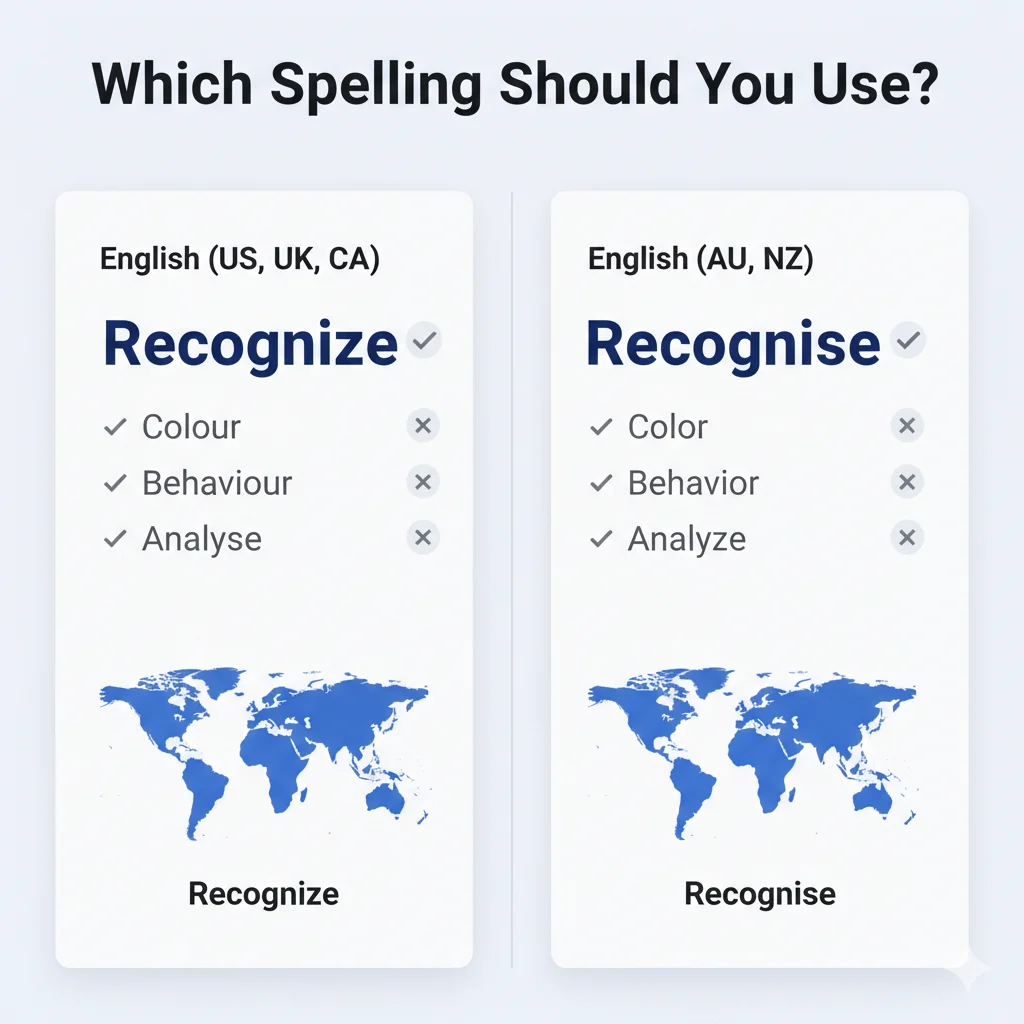
- For a US Audience: Always use seek. American English is very standardized, and “seak” will be immediately flagged as a spelling error by software and, more importantly, by your readers. It can make your writing look unprofessional.
- For a UK or Commonwealth Audience: Always use seek. Just like in the US, “seek” is the only acceptable spelling. British English places a high value on traditional spelling, and using a non-standard variant like “seak” would be a clear mistake.
- For a Global Audience: The answer is still seek. Because “seek” is the standard in every English-speaking country, it is the safest and most professional choice for any international communication, whether it’s a business email, a blog post, or an academic paper .
Common Mistakes with Seek
Even though the spelling of “seek” is stable, people still make a few common errors. Being aware of these will help you avoid them.
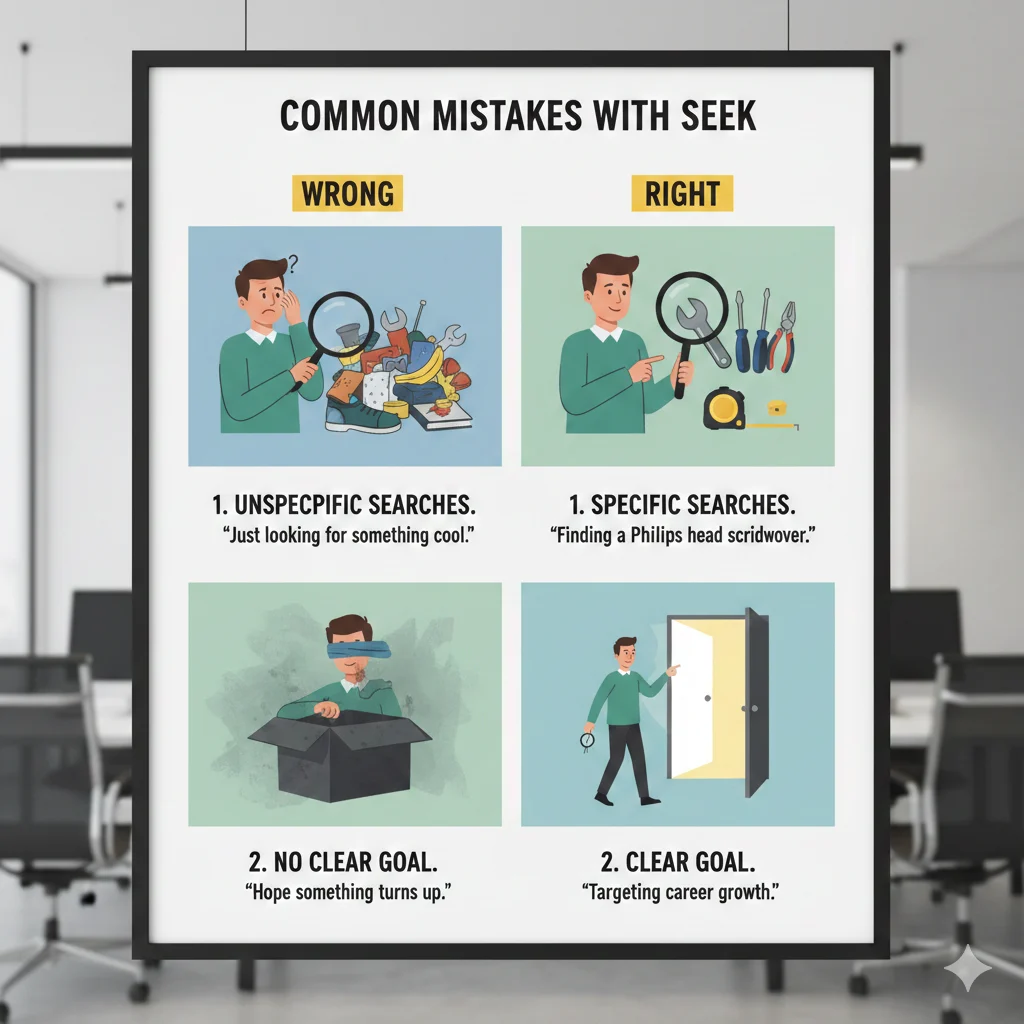
- Mistake #1: Spelling it as “Seak.” This is the most frequent error. Because the “ee” in “seek” sounds like a long “e,” some people mistakenly spell it with an “ea” (as in “speak” or “leak”). Remember, is seak a word? No, it is not. The correct spelling is always with a double ‘e’ .
- Mistake #2: Using the Wrong Past Tense: “Seeked.” Many people assume “seek” is a regular verb and form the past tense as “seeked.” This is incorrect. Seek past tense is irregular: it is sought.
- Incorrect: “Yesterday, I seeked for answers online.”
- Correct: “Yesterday, I sought for answers online.”
- Mistake #3: Confusing “Seek” with “Sick” or “Sic.” There is another word that sounds like “seek.” The command “sic” (or sometimes spelled “sick”) is used to mean “to attack” or “to chase,” and it’s the word you use when commanding a dog: “Sic ’em!” . This is a different word with a different meaning and origin, not to be confused with the act of searching.
- Mistake #4: Confusing “Seek” with “Sneak.” As noted in some resources, people sometimes confuse the sound or meaning of “seek” with “sneak,” which means to move quietly or stealthily . They are different actions.
Seek in Everyday Examples
Seeing “seek” used in different contexts is the best way to solidify your understanding. Here’s how it appears in everyday writing and speech.

- In Emails (Professional Context):
- “I am writing to seek your approval on the attached document.”
- “We are currently seeking a qualified candidate for the marketing manager position.”
- In News Headlines (Formal Context):
- “Diplomats seek peace in the troubled region.”
- “Residents seek answers after the town council meeting.”
- In Social Media (Informal Context):
- “Just moved to a new city and I’m seeking recommendations for the best coffee shops!”
- “Seeking travel buddies for a trip to Japan next spring!”
- In Literature (Descriptive Context):
- “The knight did seek the dragon’s lair, determined to face the beast.”
- “In the quiet of the library, he would seek solace from the noisy world.”
- In Common Phrases (Idioms):
Seek – Google Trends & Usage Data
While specific search data fluctuates, the general trend regarding “seek or seak” is very clear. The word “seek” is a highly common verb used constantly in both written and spoken English. Searches for “seek” are consistently high because it is a word people use, look up in dictionaries, and need to conjugate .
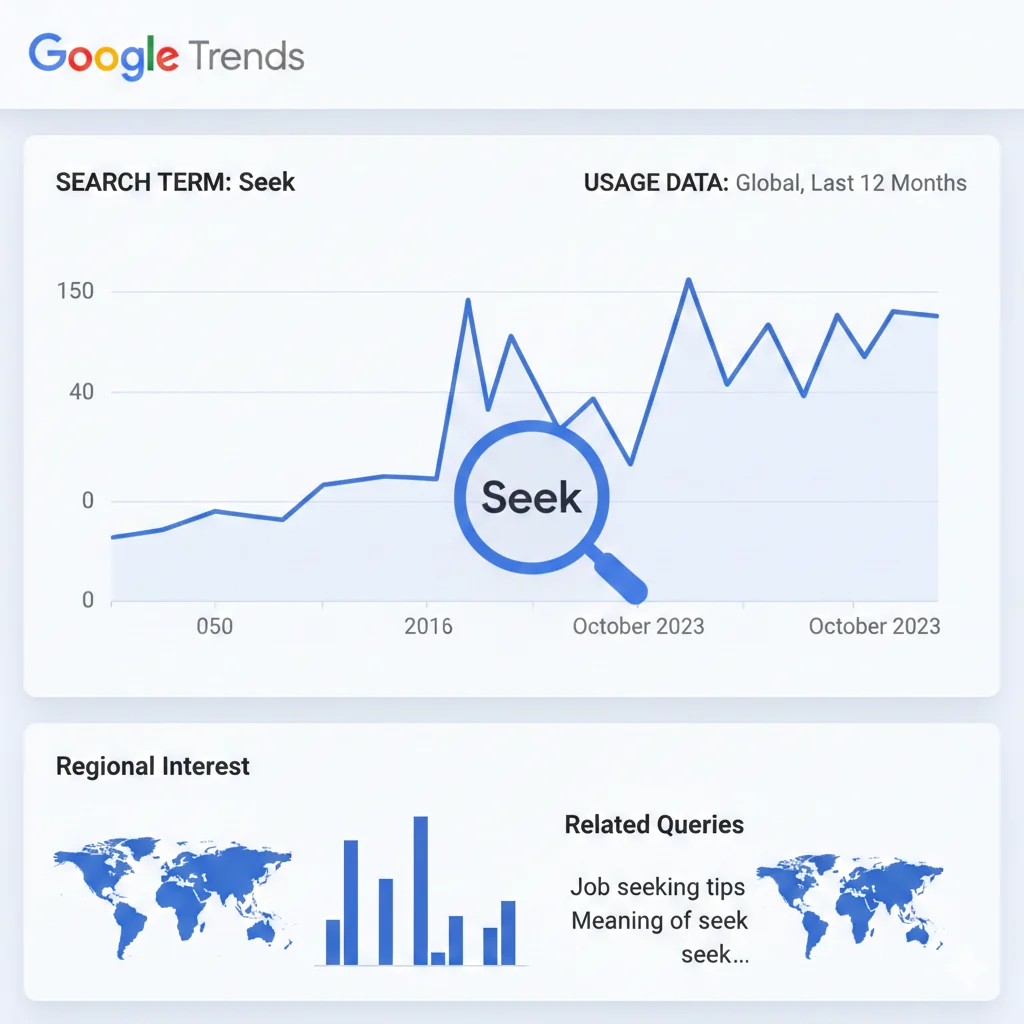
On the other hand, searches for “seak” are almost always from people checking its validity. Tools like Google Trends would show that “seak” has very low search volume compared to “seek,” and its primary search intent is navigational or questioning—people wanting to know is seak a word or the correct spelling. The existence of a biotechnology company called SEAK Therapeutics does add a tiny bit of legitimacy to the string of letters “SEAK,” but in the context of English vocabulary, it is a proper noun, not a word with a general meaning like “to search” .
The data confirms that for the vast majority of users, the intent behind searching for this term is to resolve the spelling confusion and learn the correct seek meaning.
Frequently Asked Questions (FAQs)
1. Is it seak or seek?
The correct spelling is seek. “Seak” is a common misspelling and is not recognized as a standard English word .
2. What does seak mean?
In modern English, “seak” does not have a meaning. It is typically a typographical error for the word “seek.” Historically, it referred to a type of soap used in milling cloth, but this usage is obsolete and extremely rare . You should not use it in modern writing.
3. What is the past tense of seek?
The past tense of seek is sought. For example: “He sought refuge from the rain.” It is an irregular verb, so “seeked” is incorrect .
4. Is “seak” a word in the dictionary?
While it appears in some very old, specialized dictionaries (like the 1913 Webster’s Dictionary) as a noun for a type of soap , it is not considered a valid English word in any modern, standard dictionary for general use . If you use it today, it will be considered a spelling mistake.
5. What is the difference between “seek” and “find”?
“Seek” means to look for something. It is the action of searching. “Find” means to discover or locate something. It is the successful result of the search. You can seek something for a long time without finding it.
6. I am seeking meaning. How do I use this phrase correctly?
The phrase “I am seeking” is the present continuous tense and is perfectly correct. It emphasizes that the action of searching is happening now or is ongoing. For example: “I am seeking new opportunities.” You can also say “I seek,” which is the simple present tense, for more general or habitual searching.
7. Are “seek” and “sick” related?
Indirectly, yes. The command “sic” (often spelled “sick”), as in “sic ’em,” is actually an alteration or a variant of the word “seek” from the 19th century . While “seek” means to look for, “sic” evolved to mean “to chase or attack.” So, they share a common root but have different modern meanings.
8. What are some synonyms for seek?
There are many synonyms you can use depending on the context, including: search, look for, pursue, hunt, scout, inquire, request, and strive for .
Conclusion
To wrap up, the confusion between “seek or seak” is a common one, but the solution is simple. Remember that seek is the only correct spelling for the verb meaning to look for or try to obtain something. Its past tense is the irregular sought, and it is used consistently in all forms of English, from American to British. The word seak is a misspelling and has no place in professional or academic writing. By keeping this guide in mind, you can confidently use “seek” in your emails, reports, and daily conversations, ensuring your language is both accurate and effective. Next time you are seeking the right word, you’ll know exactly which one to choose.

“May Sinclair, a playful wordsmith at PunsBlast, turning clever puns and witty humor into daily laughs that brighten readers’ days.”